
 By Ackleyadam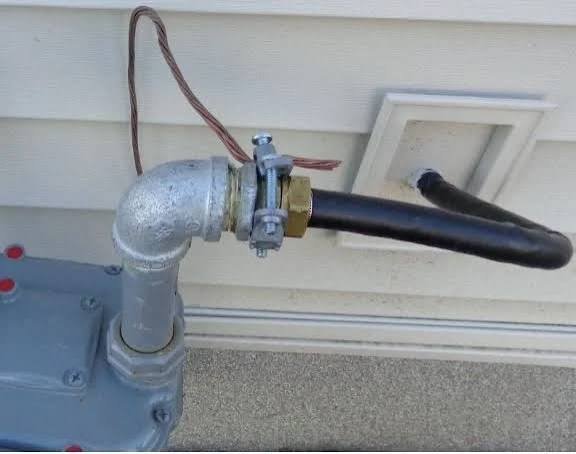
Most people don’t pay much attention to the pipes running through their property. As long as the heating works and the gas appliances are functioning properly, it is easy to assume everything behind the scenes is safe too.
But one thing many property owners overlook is gas pipe bonding.
It’s not something that gets noticed every day & unless an electrician points it out during an inspection, a lot of people have no idea whether their property even has proper bonding in place. The problem is that missing or incorrect bonding can create electrical safety risks that are not always obvious until a fault occurs.
That’s why gas pipe bonding is considered such an important part of modern electrical safety systems.
What Gas Pipe Bonding Actually Does
Gas pipe bonding helps protect a property by connecting the metal gas pipework to the electrical grounding system. A bonding cable is attached to the gas pipe so that if an electrical fault occurs somewhere in the system, the current has a safe path to earth instead of travelling unpredictably through exposed metal parts.
Without proper bonding, metal pipework could potentially carry electrical voltage during fault conditions. Even though situations like this are uncommon, the safety protection is still extremely important because faults can happen unexpectedly and it only becomes relevant during abnormal electrical conditions. But that quiet background protection is exactly why it matters.
Why Many Homeowners Never Think About It
One reason gas pipe bonding gets ignored is because there are usually no visible warning signs when something is wrong. The lights still switch on. Appliances still work normally. There is no obvious noise, smell or damage that immediately makes people think about electrical bonding.
Because of that, missing or outdated bonding often goes unnoticed for years. Many property owners only hear about it during:
-
Electrical inspections
-
Fuse board upgrades
-
Home renovations
-
Landlord safety checks
-
Property sales
-
Gas appliance installations
Sometimes electricians discover that the bonding cable is completely missing. In older properties, the bonding may no longer meet current safety standards even though it was considered acceptable years ago.
Older Properties Often Have Bonding Issues
Older homes are more likely to have outdated bonding arrangements because electrical regulations have changed over time. Years ago, installations were completed under different standards and some older systems may not provide the level of protection expected today. In certain properties, the bonding cable may be very small, incorrectly positioned, loosely connected or missing entirely.
Renovation work can also create problems without homeowners realising it.
For example, if sections of pipework are replaced or moved during building work, the original bonding arrangement may accidentally be interrupted or removed. Since the system still appears to function normally afterward, the issue often stays hidden until a proper inspection takes place.
Why Gas Pipe Bonding Matters During Electrical Faults
Electrical safety systems are designed to reduce risk when something goes wrong.
If a fault develops somewhere within the electrical installation, bonding helps ensure metal services like gas pipes remain at a safe electrical potential. Without proper bonding, there is a possibility that exposed metal parts could carry dangerous voltage under certain fault conditions.
This is why electricians treat bonding as an essential part of the property’s earthing system rather than just an optional extra. Even though faults are relatively rare, proper bonding helps provide an additional layer of protection throughout the property.
DIY Work Can Sometimes Create Hidden Problems
A lot of bonding problems happen after unqualified work has been carried out around the home.
People may replace sections of pipework, move appliances, install kitchens or complete electrical alterations without fully understanding how the bonding system works. Since the bonding cable itself appears fairly simple, it’s easy for people to underestimate its importance.
In some situations, the cable may not be reconnected properly after building work. In others, incorrect materials or poor installation methods reduce the effectiveness of the bonding completely.
The difficult part is that these mistakes are rarely obvious straight away. Everything may appear fine on the surface until an electrician later discovers the issue during testing or inspection work.
Signs It May Be Time for an Inspection
Because bonding problems are not always visible, many people only discover them through professional electrical checks. Still, there are certain situations where having the bonding inspected is a good idea:
-
Buying an older property
-
Renovating the home
-
Replacing gas appliances
-
Upgrading the electrical system
-
Unsure whether bonding is installed
-
Previous DIY electrical or plumbing work
-
Failing an electrical safety inspection
Even if there are no obvious problems, confirming the bonding is installed correctly helps ensure the property remains safe and compliant.
Why Professional Electrical Checks Matter
Gas pipe bonding should always be assessed by a qualified electrician rather than guessed visually.
Professionals understand how the bonding system connects with the overall electrical installation and whether it meets current safety standards. They can identify missing connections, incorrect cable sizes, poor installation points or outdated arrangements that may no longer comply with regulations.
In many cases, correcting bonding issues is relatively simple once identified. But leaving problems unnoticed for long periods can increase safety risks unnecessarily. That’s why regular inspections become especially important in older properties or buildings where electrical work has been carried out over the years.
Final Thoughts
One of those safety elements that most people are unaware of until it is brought up during electrical maintenance or inspections is gas pipe bonding. It performs a crucial part in protecting a home during electrical fault situations, although being concealed in the background.
Many problems go unreported for years since there are typically no clear warning indications when bonding is lacking or out of date. Professional inspections are crucial because of this, particularly in older homes or residences that have undergone renovations.
Ensuring proper installation of gas pipe bonding enhances electrical safety, promotes adherence to contemporary requirements & offers additional long-term protection for the property.
 admin
admin