
 By Ackleyadam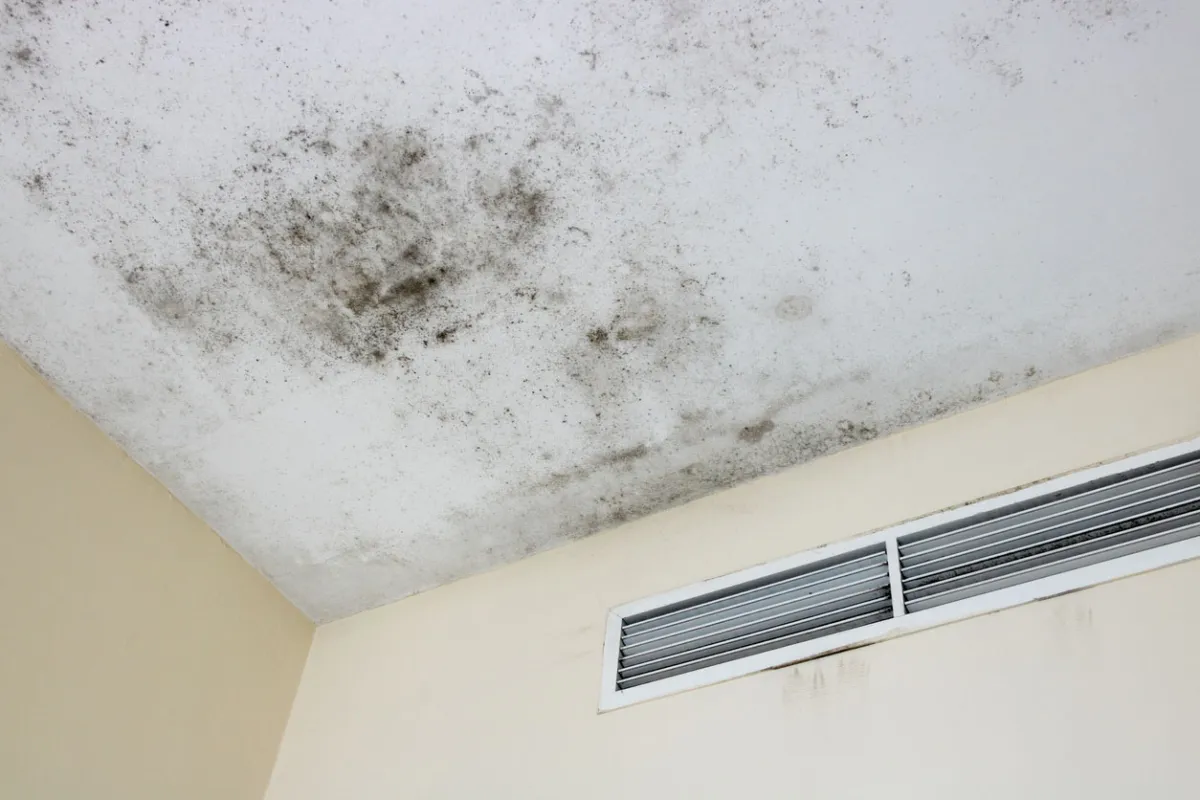
When mould initially appears on a ceiling, most people don’t give it much thought. It often begins as a few tiny dark stains near an air conditioning vent, a corner or a moisture-collecting spot in commercial buildings. Many business owners only wipe the surface, repaint the ceiling, or apply anti-mould sprays in the hopes that the problem will be resolved because it does not first appear to be a major problem.
The problem is that ceiling mould usually does not appear without a reason. In most cases, it is a sign that moisture has been sitting somewhere inside the building for a long time. That is why the mould often comes back even after cleaning. The stains may disappear for a while, but the damp conditions behind them are still there.
This is a major factor in the significance of commercial mould remediation. Proper remediation really concentrates on finding the real cause of the mould & stopping the recurrence, not just dealing with what you can see on the surface. This matters for businesses, because persistent mould problems can slowly lead to property harm and an unpleasant indoor atmosphere.
Ceiling Mould Is Usually a Sign of a Bigger Problem
Many people believe that mould only grows on visible surfaces. However, the visible patch on the ceiling is frequently only a minor portion of the issue in commercial settings.
Over time, moisture naturally accumulates in buildings. Condensation is produced by air conditioning systems, minor leaks may occur on rooftops, pipes behind walls may drip slowly, and poorly ventilated spaces may retain humidity within. Sometimes these problems go unreported for months in large commercial premises before mould shows up.
Because moisture and warm air rise upward, ceilings are especially impacted. Mould spores gradually start to proliferate whenever moisture continuously seeps into ceiling materials. The spots are initially small enough to go unnoticed. However, if the moisture persists, the mould grows larger and is considerably more difficult to eradicate.
Cleaning the Ceiling Does Not Always Solve the Issue
One of the most common mistakes people make is assuming mould cleaning & mould remediation are the same thing.
Simple cleaning only removes what is visible on the surface. The ceiling may look clean again for a short time, but that does not mean the problem underneath has been fixed. In many cases, hidden moisture and mould spores remain inside the ceiling material or surrounding areas.
Commercial mould remediation is different because it looks beyond the visible stains. Professionals inspect the building carefully to understand where the moisture is coming from and how far the mould may have spread. Sometimes the issue is linked to leaking pipes, roof damage, poor ventilation or condensation from cooling systems.
In some situations, parts of the ceiling may already be damaged internally from long-term moisture exposure. When this happens, cleaning alone is not enough & the affected material may need proper treatment or replacement.
Commercial Buildings Can Hide Moisture Problems Easily
Mould problems are often more difficult to manage in commercial buildings because there are many hidden areas where moisture can build up without being noticed immediately.
Large offices, warehouses, restaurants, retail stores & industrial spaces usually have suspended ceilings, ventilation ducts, storage sections & enclosed areas with limited airflow. These spaces can remain damp for long periods while the rest of the building appears perfectly normal.
In many cases, mould spreads quietly above ceiling panels before anyone notices visible stains below. Air-conditioning systems can also move moisture through different sections of the building, allowing mould to affect multiple areas over time.
Because of this, the visible mould on the ceiling is sometimes only the part people can see while the actual moisture issue continues spreading behind the scenes.
Mould Can Affect More Than Just the Appearance of a Building
Many businesses first notice mould because it affects how the property looks. Ceiling stains can make even a clean commercial space appear neglected or poorly maintained.
However, the issue is not only cosmetic.
Over time, damp indoor conditions can create unpleasant smells that remain trapped inside the building. Employees or visitors may begin feeling uncomfortable in affected areas, especially if ventilation is poor. Persistent moisture can also damage ceiling materials, causing paint to peel, surfaces to weaken & water marks to spread further.
If the problem is ignored for too long, repair costs often become much higher because the damage extends beyond the original mould patch.
For businesses that regularly deal with customers, maintaining a clean and healthy indoor environment is important not only for the condition of the building but also for the overall experience people have inside the space.
Why Professional Remediation Makes a Difference
Commercial mould remediation is important because it focuses on the root cause instead of temporary fixes.
Professionals do not simply clean visible mould and leave. They inspect the building properly, identify moisture sources, and assess whether the mould has spread into nearby materials or hidden spaces. This helps reduce the chances of the problem returning repeatedly after treatment.
Professional remediation also helps ensure mould spores do not spread further during the cleaning process, which is especially important in larger commercial environments where many people use the same indoor space every day.
Most importantly, remediation creates a long-term solution instead of a short-term improvement.
Final Thoughts
Ceiling mould removal in commercial properties is rarely just a little cleaning headache. Usually, it means moisture has been building up somewhere inside the property for quite a while. Repainting or doing surface cleaning might look like a fast fix, but it often does not stop the mould from coming back later, not even after a fresh coat.
Commercial mould remediation matters because it tends to the real cause of the issue, meaning it targets the root moisture source, treats the affected areas properly and puts measures in place so mould doesn’t start again. If you act early, businesses can dodge bigger repair expenses later. It supports a cleaner, more breathable and more comfortable indoor space for everyone who uses the area each day.
 admin
admin