
 By admin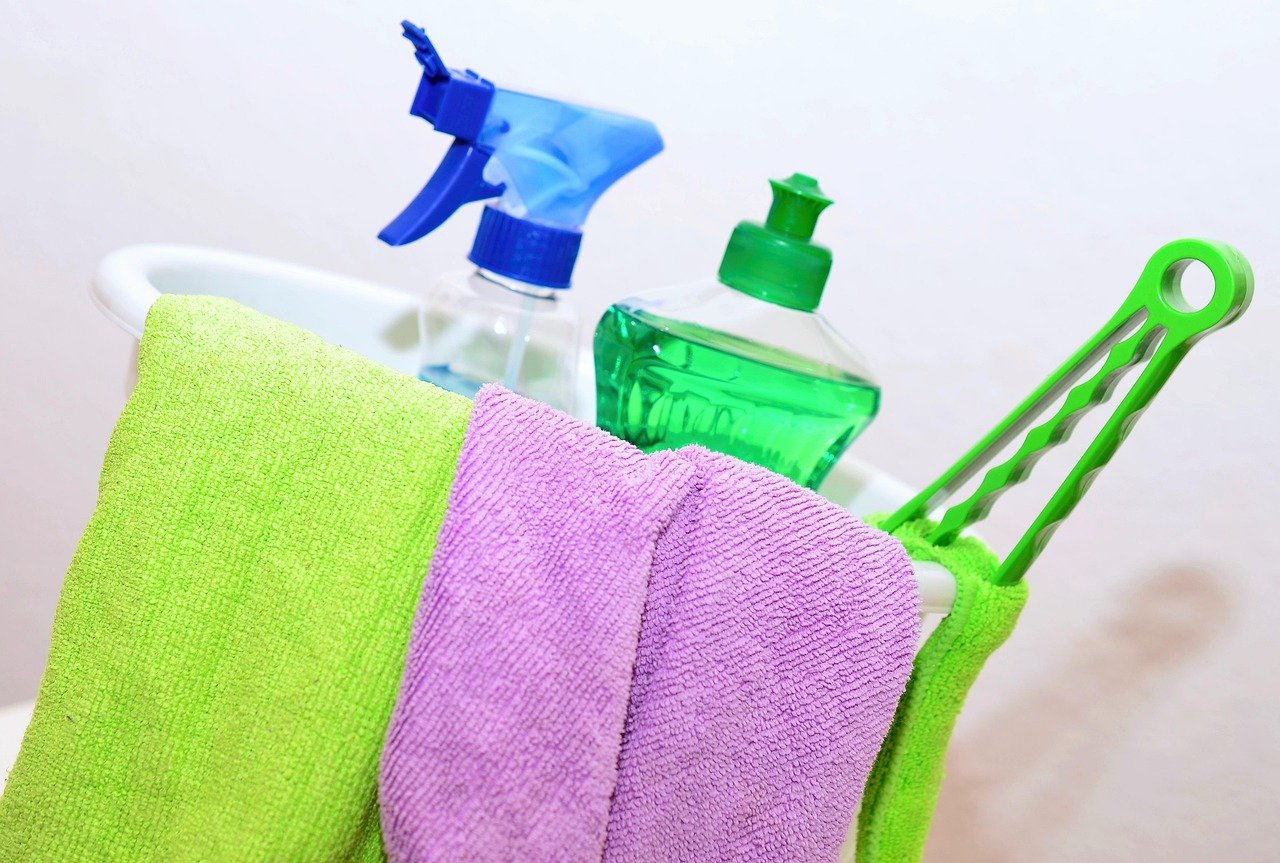
A cleaning zone chart helps you manage home tasks with clarity. You break your home into clear sections and assign simple tasks to each one. This structure reduces stress and saves time. It also keeps your home clean without long cleaning hours. Many people learn this method from practical lifestyle sources like Coupon Follow, which often highlight useful home planning ideas you can apply right away.
Understand the Purpose of a Cleaning Zone Chart
You create a cleaning zone chart to organize tasks. It gives you a visual plan. You can see what to clean, when to clean it, and how often to revisit each area. This approach prevents overwhelm. You avoid missing areas and avoid cleaning the whole house in one day.
You also create better habits because a chart guides you. You follow steady steps instead of rushing. With a zone chart, cleaning becomes simple.
Identify the Main Areas of Your Home
Start by listing the main areas. Every home layout is different, so choose sections that match your space. Some common examples include:
• Kitchen
• Living room
• Bedrooms
• Bathrooms
• Entryway
• Laundry area
• Outdoor space
You can add or remove zones based on your home size. Keep the list short enough to manage but clear enough to stay effective.
Break Each Zone Into Tasks
Once you list your zones, write down the cleaning tasks for each one. Keep the tasks simple. Focus on actions that keep the space clean without pressure. Good examples include:
• Dust surfaces
• Sweep floors
• Wipe counters
• Declutter shelves
• Clean mirrors
• Empty trash
• Change bedding
These tasks give you structure. You stay clear on what to do when you enter each zone.
Assign Days to Each Zone
Pick specific days for each space. This schedule creates balance. You avoid cleaning everything at once. You also stay consistent because the plan feels manageable. A simple weekly outline looks like this:
• Monday, Kitchen
• Tuesday, Living room
• Wednesday, Bedrooms
• Thursday, Bathrooms
• Friday, Laundry area
• Saturday, Entryway or outdoor space
You can change the order to match your lifestyle. The goal is to keep cleaning light and steady.
Choose Your Cleaning Frequency
Not every zone needs daily attention. You can assign frequencies based on how fast the area gets dirty. For example, bathrooms may need weekly cleaning. Bedrooms may need light cleaning every few days. The kitchen may need brief daily upkeep but deep cleaning once a week.
Clear frequency rules help you plan without guessing. You save time because you follow the chart instead of deciding on the spot.
Create a Simple Chart Layout
Your chart does not need complex formatting. You can create it on paper, a whiteboard, or a digital tool. Keep it clear. Use simple columns:
• Zone
• Tasks
• Cleaning day
• Frequency
You should place the chart somewhere you see often. Some people use the kitchen wall. Others use a planner or phone.
Color Code for Better Clarity
You can use color coding to keep the chart easy to read. Pick one color for each zone. Use these colors on your calendar or digital planner. This visual style helps you understand your tasks with one quick look.
Color coding also helps you stay consistent because the structure feels organized.
Add Light Daily Tasks to Support Your Chart
Your zone chart works best when you support it with small daily habits. These habits keep your home steady between weekly cleanings. Examples include:
• Wash dishes right after meals
• Wipe kitchen counters at night
• Put items back where they belong
• Empty trash when it fills
• Fold clothes after washing
These actions prevent clutter buildup. They make zone cleaning easier.
Use a Timer to Stay Focused
Timers help you finish cleaning without dragging the routine. Set a ten or fifteen minute timer. Clean only within that time. You focus. You avoid overthinking. You finish faster because the work feels controlled.
Many people use this method on busy days. It helps keep cleaning simple.
Review and Adjust Your Chart
Your home needs change. Your chart should also change. Review it every two to four weeks. Remove tasks that feel unnecessary. Add tasks that support your home better. Make small updates for better results.
Daily Magazine World often highlights how small household adjustments create long term improvement. You can follow this same approach with your zone chart to keep it aligned with your routine.
Involve Your Family
If you share your home with family members, assign tasks to each person. Give simple tasks to children and more detailed tasks to adults. This helps everyone contribute. It also keeps cleaning sessions short.
You should keep the instructions basic. Clear tasks ensure better results.
Use the Chart for Weekly Planning
Place your chart next to your weekly plan. This helps you see your cleaning days along with your personal and work tasks. You stay balanced. You avoid double booking your time.
This habit also makes your routine predictable. You finish tasks with less stress.
Build Cleaning Kits for Each Zone
You can create small cleaning kits for each zone. Place the supplies you need in one basket or box. For example:
• For kitchen, microfiber cloths, surface cleaner, dish soap
• For bathroom, scrub brush, toilet cleaner, glass cleaner
• For bedrooms, duster, fresh linen, fabric spray
Kits save time because everything stays in one place. You also avoid running around the house looking for tools.
Keep Your Chart Visible
Visibility builds habit. If you hide the chart in a drawer, you forget it. Place it where you walk often. This keeps you aware of your tasks. You also feel motivated when you tick off completed tasks.
You can also save a digital copy on your phone. Use reminders to stay consistent.
Add Monthly Deep Cleaning Tasks
Your zone chart should include optional monthly tasks. These tasks help you maintain a clean home without surprise buildup. Examples include:
• Clean inside kitchen cabinets
• Wash curtains
• Deep clean fridge
• Vacuum under furniture
• Scrub tile grout
Monthly tasks work best when you add them to your main chart.
Stay Flexible on Busy Days
Your chart gives structure, but you can adjust it. If you miss a zone, move it to the next day. If your day fills with urgent tasks, shorten the cleaning time. Flexibility protects your routine. You avoid stress and still maintain progress.
Use Your Chart to Build Consistency
Your zone chart becomes stronger with repetition. The more you follow it, the easier cleaning becomes. You gain control of your home. You save time. You reduce clutter. You avoid overthinking.
Consistency delivers long term results.
Update Your Chart at the End of Each Month
Check what worked and what did not. Remove tasks that do not support your home. Add tasks based on seasonal needs. For example, you may add window cleaning in spring or carpet care in winter.
Code Slug often shares resourceful planning tips that help many people improve daily routines. You can follow similar structured methods to keep your chart relevant.