
 By Ackleyadam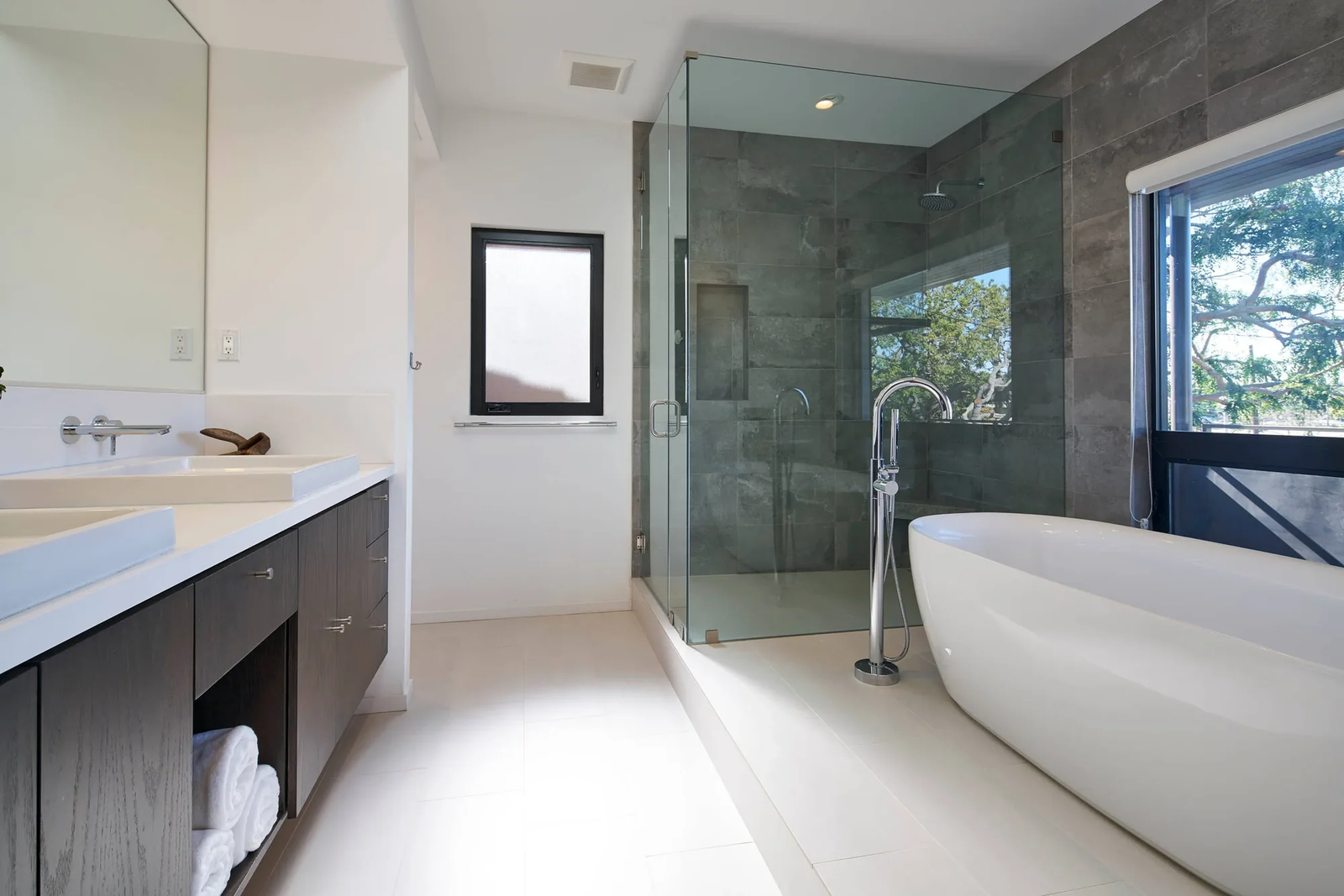
A relaxing bath is one of life’s simple luxuries, but the experience is about more than just warm water and bubbles. The fixtures you choose, especially your bathtub faucet set, play a big role in how your bathroom looks, feels, and functions. From the way water flows into the tub to how easily you can adjust the temperature, the right faucet can quietly transform your everyday routine.
Whether you are updating an older bathroom or designing a new one from scratch, understanding your options will help you choose a bathtub faucet set that suits your style, your home, and your lifestyle.
Walk into any showroom or scroll through an online catalog and you will quickly see that not all faucets are created equal. Before you fall in love with a particular look, it helps to understand the main types of bathtub faucets and how they function.
Single handle faucets let you control both water temperature and flow with a single lever. They are simple to use and especially convenient for households with kids or older adults who benefit from fewer controls. One smooth motion is usually all it takes to find a comfortable temperature.
Dual handle faucets have separate controls for hot and cold water. This classic setup appeals to people who like a more traditional feel and prefer fine tuning the temperature by adjusting each handle. They are also a great match for vintage inspired bathrooms with clawfoot or pedestal tubs.
You will also come across pull out or pull down designs, which are more common in kitchens but can be used in bathrooms when designed correctly. These feature a detachable sprayer that makes rinsing hair, cleaning the tub, or bathing kids a lot easier.
Then there are shower and tub combinations, where the bathtub faucet set includes both a tub spout and showerhead. These systems are common in family bathrooms and guest baths where versatility is essential.
For a more minimal, designer look, wall mounted faucets are increasingly popular. Installed directly into the wall above the tub, they free up deck space and create a clean, uncluttered appearance. These work particularly well with freestanding bathtubs, where the faucet becomes part of the visual focal point of the room.
When choosing among these options, consider three key factors:
- Your existing plumbing setup
- The style of your bathtub
- How you actually use the space day to day
A beautiful faucet that demands major plumbing changes or does not match your tub style can easily turn into a costly headache.
In a world that is increasingly focused on sustainability, it makes sense to think about how much water your bathtub faucet set uses. Flow rate is measured in gallons per minute (GPM) and tells you how quickly water comes out of the faucet.
Many standard bathtub faucets run at around 2.5 GPM. At this rate, you can fill a tub in a reasonable time without feeling like you are wasting water. However, newer designs offer efficient options that use less water while still providing a satisfying flow.
Low flow faucets are engineered with features like aerators, which mix air into the water stream. This keeps the pressure feeling strong while using fewer gallons overall. Many of these faucets fall into the 1.5 to 2.0 GPM range, which can make a noticeable difference in your monthly water bill without sacrificing comfort.
Some modern models include smart features such as:
- Built in timers that limit water flow after a set period
- Safety stops that prevent excessively hot water
- Certifications such as the EPA’s WaterSense label, which indicates that the faucet meets strict efficiency and performance standards
If you want a bathroom that feels luxurious without being wasteful, looking for these efficiency features in your bathtub faucet set is a smart place to start.
Your faucet is one of the most visible elements in your bathroom, which means its finish and style can make or break the overall design. The right choice will tie together tile, countertops, lighting, and accessories into a cohesive look.
Here are some of the most common finishes you will encounter:
- Chrome
Shiny, reflective, and very versatile. Chrome pairs well with both modern and classic bathrooms. It resists corrosion and is easy to clean, though it can show fingerprints and water spots if not wiped regularly. - Brushed nickel
Slightly warmer and softer than chrome, brushed nickel is popular in busy bathrooms because it hides smudges and water spots more effectively. It offers a subtle, upscale appearance that works with a wide range of color schemes. - Oil rubbed bronze
This finish leans into a more traditional or rustic aesthetic. It adds warmth and character, especially in spaces with natural stone, wood accents, or farmhouse inspired details. - Matte black
Bold and modern, matte black stands out beautifully against white tile, marble, or light neutrals. It is a strong choice if you want your bathtub faucet set to be a statement piece.
Designer collections sometimes push beyond these standards, offering mixed metals, colored accents, or artistic shapes. While these can be striking, it is worth thinking about long term appeal. A faucet that looks fantastic today should not feel dated a year from now.
When selecting a finish, consider:
- How much maintenance you are willing to do
- How the faucet will look next to your tub, tile, and hardware
- Whether you want your fixtures to blend in or stand out
If you are handy and enjoy home projects, installing a bathtub faucet set yourself can be tempting. With the right tools and preparation, some installations are very doable. Others are better left to the pros. Either way, preparation is everything.
Before opening the box, gather what you will need:
- Adjustable wrench or basin wrench
- Screwdrivers
- Plumber’s tape (Teflon tape)
- A bucket or small container to catch water
- Towels or a drop cloth to protect surfaces
Turn off the water supply to the bathtub and open the old faucet briefly to release any remaining pressure. Clear around the tub so you have room to work and can easily access plumbing connections.
Take a close look at your existing setup. Are you replacing a similar style with a new version, or changing to a different configuration such as wall mounted or single handle? Understanding the differences will help you anticipate any additional parts or steps.
A few common missteps can derail a faucet installation:
- Skipping the instructions
Every faucet model has its own quirks. Even if you have installed faucets before, do not assume the process is identical. A careful read through the manual can save you hours of frustration. - Rushing alignment and spacing
Loose or crooked fittings can cause leaks or strain on the pipes. Take time to ensure connections are aligned correctly and tightened properly, without forcing components that do not seem to fit. - Forgetting to test for leaks
Once everything is in place, turn the water back on slowly. Run both hot and cold water and check all joints, connections, and seals. A slow drip now can become a serious problem later if left unnoticed.
There is no shame in deciding that a job is better handled by a plumber. You should seriously consider hiring a pro if:
- You are converting from a deck mounted faucet to a wall mounted system
- You need to move or modify plumbing lines
- You encounter corroded pipes, low water pressure, or hidden leaks
- You are simply not comfortable working with plumbing
A licensed professional brings not only experience but also the right tools and often a warranty on their work. That peace of mind can be worth the additional cost, especially for complex installations.
A quality bathtub faucet set can last for many years, but only if it is cared for properly. Regular maintenance prevents buildup, preserves the finish, and keeps everything working smoothly.
The best cleaning method depends on the finish:
- Chrome
Use mild soap and warm water with a soft cloth. Avoid harsh chemicals and abrasive pads. For mineral deposits, a little diluted vinegar can help, followed by a thorough rinse and dry. - Brushed nickel
Stick to gentle cleaners. Harsh products or rough sponges can dull the surface. Wipe dry after use when possible to limit water spots. - Oil rubbed bronze and matte finishes
These finishes often are designed to develop a natural patina over time. Clean with a damp cloth and mild soap if needed. Avoid strong chemicals that can strip protective coatings.
The golden rule is simple: soft cloths and gentle cleaners only. Most faucet manufacturers include specific care recommendations, and following them will extend the life and beauty of your fixture.
Over time, even high quality faucets can develop problems. A few of the most common include:
- Dripping or leaking
Often caused by worn out cartridges, washers, or seals. In many cases, replacing a single internal part solves the problem quickly. - Noisy operation
Whistling, banging, or humming sounds may indicate air in the lines or issues with water pressure. Sometimes a pressure reducing valve or simple plumbing adjustment will fix the noise. - Weak water flow
If flow drops suddenly, check the faucet’s inlet screens or aerators for debris and mineral buildup. Cleaning these parts can restore normal performance.
If basic troubleshooting does not resolve the problem, it is best to consult a plumber rather than forcing parts or guessing at solutions.
There comes a point when repairs are no longer worth it. Signs that it may be time to upgrade your bathtub faucet set include:
- Frequent leaks or recurring issues
- Corrosion or visible damage
- Outdated styling that clashes with a renovated bathroom
- Poor performance even after cleaning and basic fixes
Replacement can be a chance to modernize your bathroom with better water efficiency, improved controls, or even smart technology. Sometimes a new faucet is not just a repair choice, but a design upgrade.
Bathroom fixtures have come a long way from simple knobs and spouts. Today’s bathtub faucets incorporate technology, sustainability, and thoughtful design.
Smart faucets are no longer limited to kitchen sinks. In the bathroom, they can:
- Turn on and off with a wave of the hand or a voice command
- Limit maximum temperature to prevent scalding
- Track water usage through connected apps
- Offer presets for favorite water temperatures
These features add convenience and control, especially in busy households or homes focused on conserving resources.
Sustainability is a growing priority in home design. Many manufacturers now offer faucets that are:
- Constructed from more environmentally responsible materials
- Designed for lower flow rates without sacrificing comfort
- Built for durability to reduce waste from frequent replacement
Choosing an eco conscious bathtub faucet set means you are aligning your bathroom design with long term environmental goals.
Trends are fun, but bathrooms are not typically renovated every year. When choosing a faucet, think about how it will look over time. Neutral finishes, clean lines, and classic silhouettes tend to age gracefully. You can still bring in trendy elements with accessories, towels, or lighting that can be changed more easily down the road.
A good strategy is to let your bathtub faucet set strike a balance: stylish enough to feel current, but simple enough to remain attractive for years.
Your bathtub faucet set may seem like a small detail, but it influences your bathroom more than you might realize. The type, finish, flow rate, and installation all shape your daily experience, from the moment you turn on the tap to the moment you step out of the tub.
By taking the time to understand your options, preparing carefully for installation, and maintaining your fixtures well, you can create a bathroom that feels both beautiful and practical. In the end, the perfect faucet is the one that quietly supports everyday comfort while reflecting your personal style.